
![[background image] image of job listings (for an auto dealership)](https://cdn.prod.website-files.com/693849df550d0a6cf6e3b897/694d8f7a109c08a37746a730_ltl%20hero.webp)
Long-distance LTL operations rely on predictable linehaul schedules, tight terminal coordination, and consistent hours-of-service (HOS) enforcement across the network.
AI ELD is designed to support hub-and-spoke LTL models where trucks operate overnight, drivers rotate frequently, and compliance errors often surface between terminals rather than at dispatch.
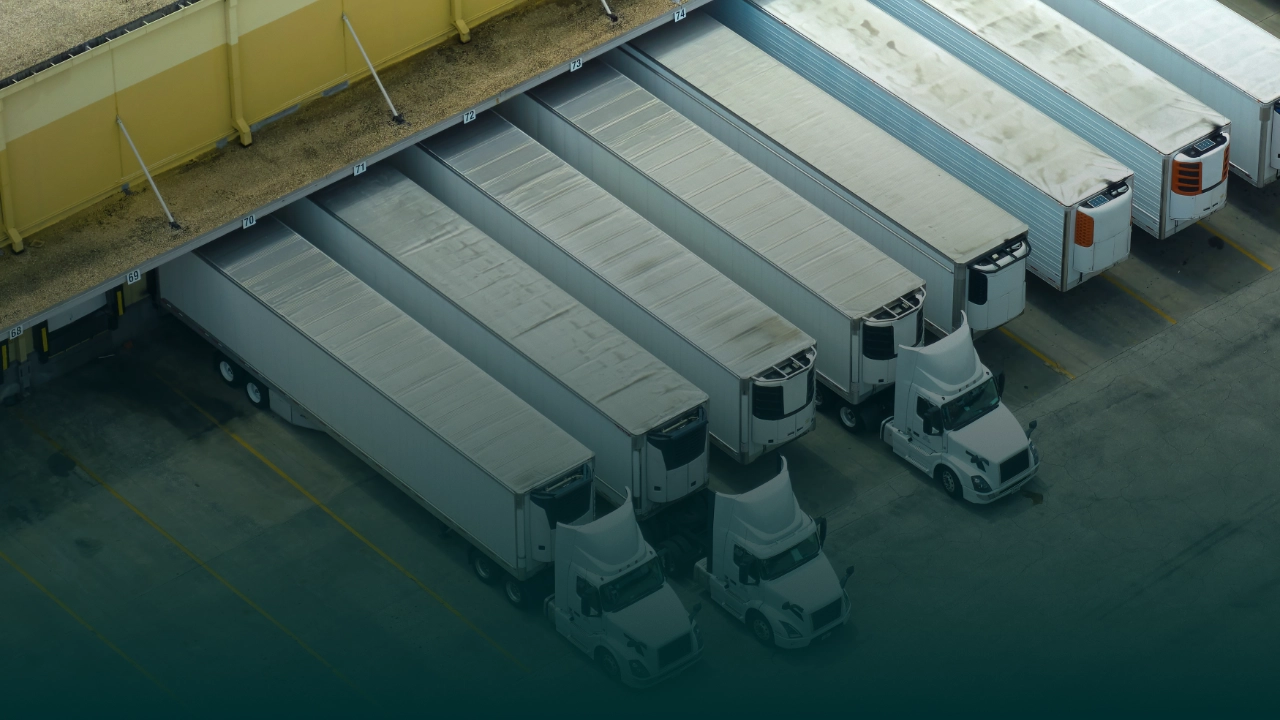
AI ELD standardizes log behavior across linehaul units, relay drivers, and terminals, reducing variation that leads to audit risk and service disruptions.
By applying consistent FMCSA rule enforcement across all assets, the platform helps LTL carriers maintain operational continuity without adding heavy manual oversight at each location.
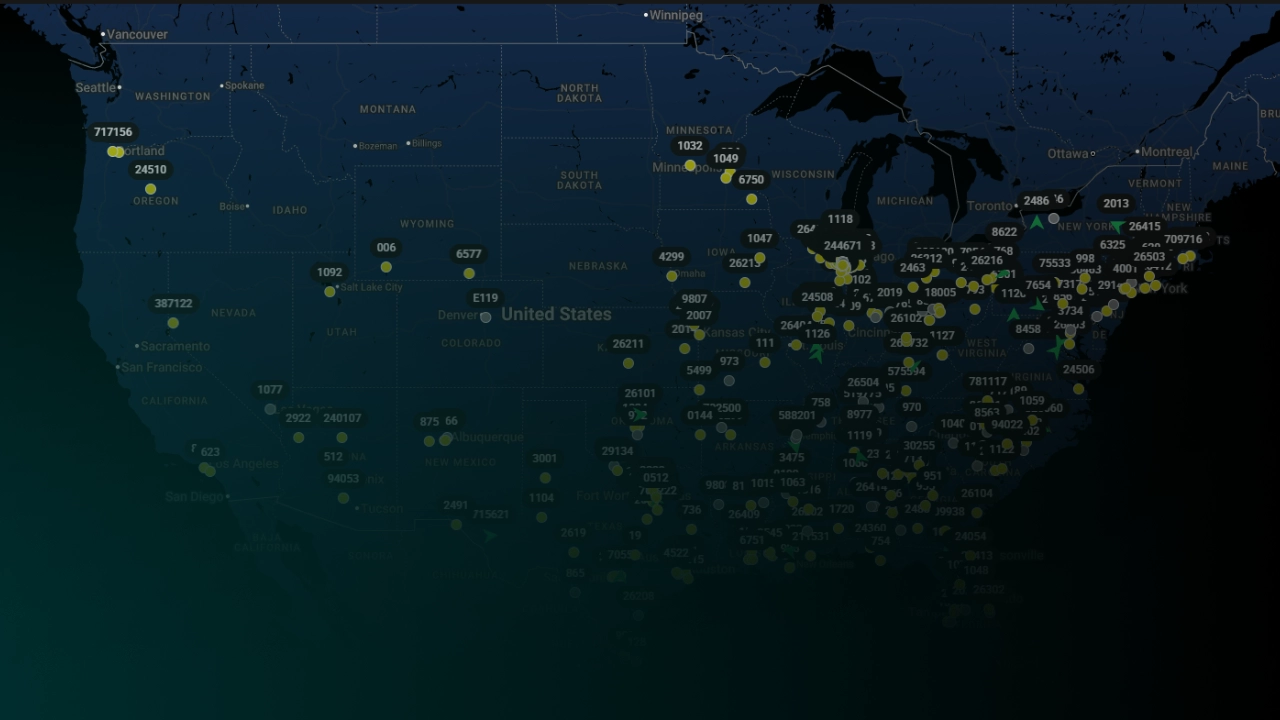
AI ELD provides a centralized dashboard that shows the real-time status of every LTL unit in the network.
Fleet managers and terminal supervisors can view location, duty status, remaining drive time, and exception flags in a single interface. This unified view is critical for long-distance LTL fleets that need fast decisions during tight linehaul windows.
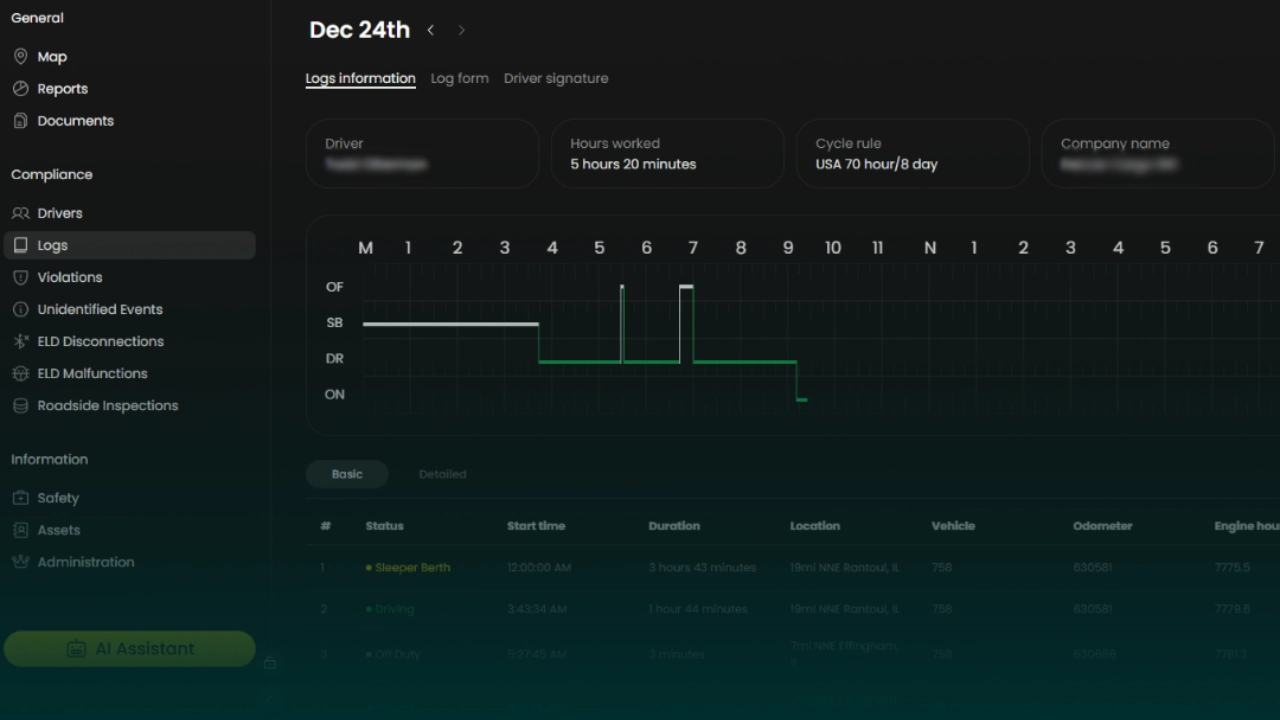
Night operations and extended linehaul routes create unique compliance challenges, especially when drivers transition between terminals or swap tractors.
AI ELD automatically tracks duty status changes and applies FMCSA HOS rules consistently across shifts, even during overnight operations.
Logs are recorded with immutable audit trails and synchronized across devices to ensure inspection-ready records at any point in the route, reducing post-run reconciliation.

Compliance risk in LTL fleets often emerges from disconnected devices, incomplete logs, or delayed data synchronization between terminals.
AI ELD continuously monitors for these conditions and surfaces issues early, before they impact roadside inspections or CSA scores.
Exception visibility allows safety and operations teams to intervene proactively. Optional 24/7 monitoring further reduces risk during nights and weekends when terminal staff may be limited.
![[background image] image of job listings (for an auto dealership)](https://cdn.prod.website-files.com/693849df550d0a6cf6e3b897/694c363b68fa1584171aa0a7_solution%203.webp)
