

AI ELD
Mar 12, 2026
According to FMCSA registration data, 97% of for-hire carriers in the United States operate 10 trucks or fewer, and 70% operate just one. The trucking industry is, by structure, an industry of small operators. But the conversation about ELD compliance is almost entirely written for two groups: the owner-operator running solo and the enterprise fleet with a safety director. The 2-to-10 truck operation sits in between, and it has a distinct set of challenges that neither category addresses well.
This article is about that middle ground. If you are running two to eight trucks, some of what applies to single-truck operators still applies to you. But the moment you are responsible for drivers other than yourself, the compliance picture changes in ways that are worth understanding before a roadside inspection or an audit makes them obvious.
When you are the only driver, ELD compliance is personal. You know where your hours stand because you are living them. You notice when a log edit is needed because you made the trip. You certify your own logs.
When you add drivers, you take on a layer of accountability that does not exist when you run solo. Drivers may forget to change duty status. They may leave unassigned driving segments open. They may not certify logs for days at a time. None of that affects your personal CSA record when you are an owner-operator. As a fleet manager, all of it is now visible in your account, and inspectors and auditors look at it.
The compliance workload does not scale linearly with trucks. Going from one driver to three creates a management function that did not exist before: someone needs to review logs, catch open issues before they become findings, and make sure drivers know how to use the device correctly. In a small fleet, that person is usually also driving, dispatching, and handling customer calls. The ELD system you choose either makes that review work fast and visible, or it adds another thing to the pile.
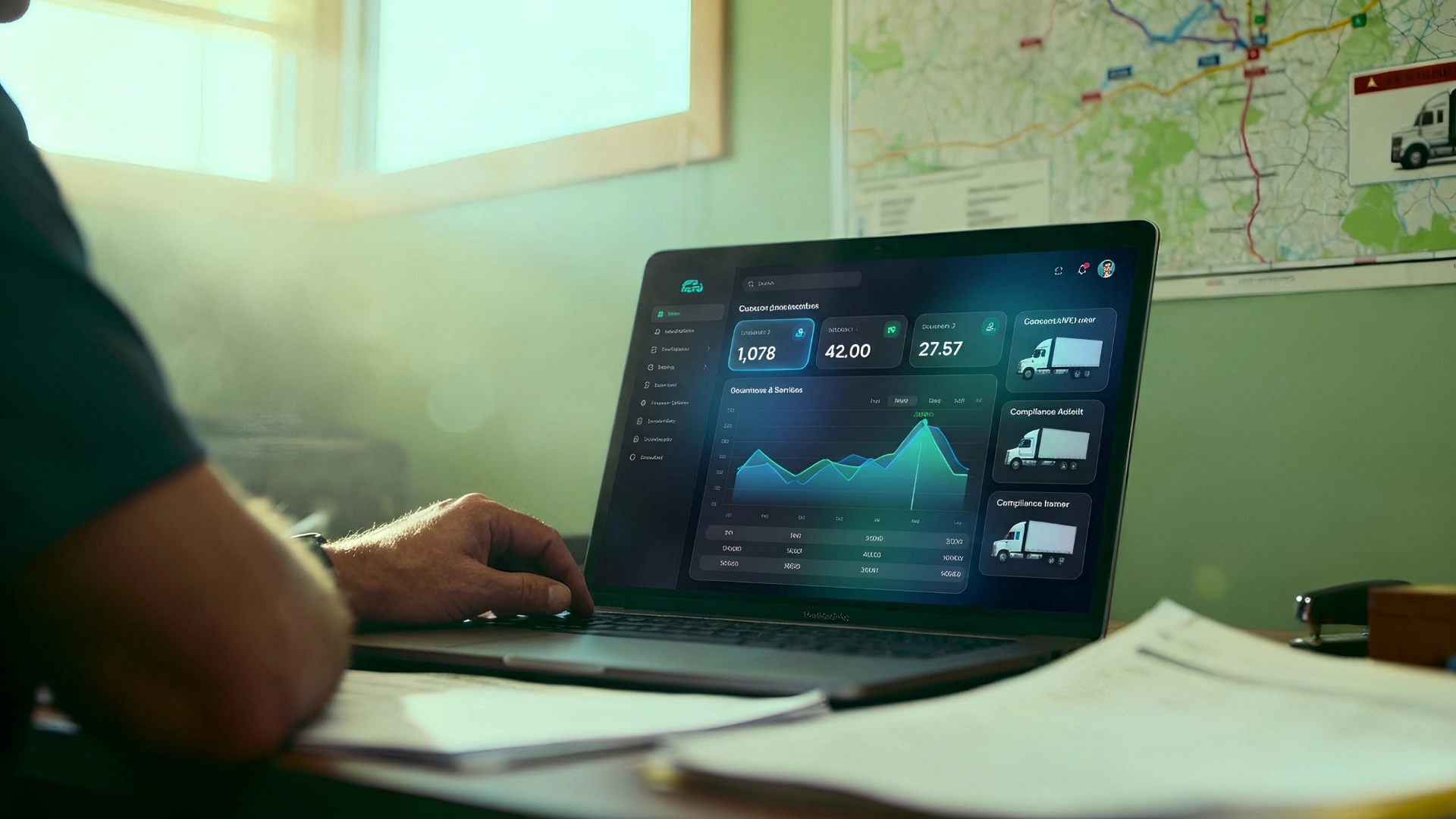
A fleet compliance dashboard that shows every driver's current status, remaining hours, and open log issues in a single view is not an enterprise feature. For a small fleet manager juggling multiple roles, it is the difference between catching a problem before the truck leaves and finding out about it during an inspection.
Unassigned driving time occurs when the vehicle moves but the activity is not logged under a specific driver account. It happens when a driver forgets to log in before moving the truck, when someone else moves the vehicle for yard purposes without logging in, or when a log-in error goes unnoticed.
For an enterprise fleet, unassigned driving is an administrative nuisance that a compliance team catches and cleans up systematically. For a small fleet without that layer, it accumulates quietly. When an officer or auditor reviews unassigned driving events in your account, a pattern of unresolved events raises questions about whether driving time is being properly recorded across the fleet.
The fix is not complicated, but it requires someone to review and assign those events regularly. The ELD log management tools in a well-built system surface unassigned events clearly so they can be resolved before they compound. The risk is proportionally higher for small fleets precisely because there is no safety department to catch what falls through the cracks.
The Compliance, Safety, Accountability (CSA) scoring system affects every carrier, but the practical consequences land harder on small operators. A large carrier with 50 trucks can absorb a handful of violations before the safety score moves into a range that affects insurance rates or shipper qualification. A three-truck operation has no such buffer.
Shippers and brokers increasingly run carrier safety checks before tendering loads. A carrier with a deteriorating CSA score may find itself removed from preferred carrier lists or required to provide additional documentation. Fleet insurance costs reached $0.102 per mile in 2026, and underwriters use safety score trends as a key rating factor. For a small fleet, a few preventable HOS violations can directly affect the rates you pay on every truck.
Fleets using AI ELD average an FMCSA safety score around 4%, which reflects consistent compliance outcomes across inspections. That kind of result is achievable for a small fleet precisely because the driver count is low enough that individual log issues are catchable before they appear in an inspection report, provided the tools are set up to surface them.
Most articles about ELD selection for small fleets focus on the monthly subscription fee. The contract structure deserves equal attention.
Several major ELD providers in the market require commitments of two or three years. For a large fleet that has been running the same system for a decade, that is manageable. For a small carrier, a multi-year contract creates real problems. If you lose a major shipper contract and need to downsize temporarily, you are still paying per truck. If the software quality degrades and support becomes unresponsive, you have no exit. If you grow faster than expected and the platform does not scale the way you need, you are locked in anyway.
Month-to-month pricing removes that exposure. The AI ELD pricing structure is billed per active vehicle on a month-to-month basis. Trucks that come off active rotation can be removed from billing. Seasonal fluctuations do not force you into contracts that no longer match your operation. For a full breakdown of what ELD costs actually look like across hardware, subscriptions, and hidden fees, the ELD cost guide for 2026 covers the market in detail.
The criteria for evaluating an ELD at the small fleet level are different from the owner-operator checklist and different again from what an enterprise carrier prioritizes. A few things matter specifically at this scale.
The driver app needs to be straightforward enough that a new hire can use it correctly from the first day without extended training. Driver errors in log entry create back-office work that the fleet manager has to clean up, often while also driving. A simple, clear status change interface reduces that friction significantly.
The dashboard needs to give an at-a-glance view of the entire fleet, not just individual driver logs. When you manage five drivers and are also running loads yourself, you cannot spend 20 minutes reviewing each driver's record individually. You need to see who is approaching limits, who has open unassigned events, and who has uncertified logs, at a glance.
Reports should cover what matters at this scale: IFTA mileage by state, HOS summary, and inspection history. The IFTA and compliance reports in a well-built system handle the quarterly fuel tax paperwork that otherwise requires manual log reconstruction. For a small operator without a bookkeeper, that automation has direct value every quarter.
Support needs to be available when trucks are running, not just during business hours. A small fleet does not have an in-house IT team or a compliance manager who can troubleshoot a device issue at 10 PM on a Sunday. If the support model is email tickets with 48-hour response times, that matters in practice. For guidance on what separates credible providers from weak ones, the article on how to evaluate ELD providers covers the specific questions worth asking before signing anything.